Liliana's Immortality
Last ChristmasLilliana's Immortality is the enduring but conditional state offered to Lilliana during her wedding celebration: Ambrosia and Nectar together would prevent her from aging or dying, but would not make her invulnerable. The distinction between an endless life and an unkillable one is made explicit as the gift is explained, with Malphas's earlier wound in a cave offered as proof that immortals can still be harmed.
The Gift at the Wedding
After Lilliana noticed a golden substance in a jar and asked what it was, Malphas identified it as her immortality. He explained that it was Ambrosia; Xevikan added Nectar, holding up a small skin, and explained that the two substances together would ensure Lilliana never aged or died. The scene presents immortality not as an abstract promise but through two tangible offerings: the jar and the skin.
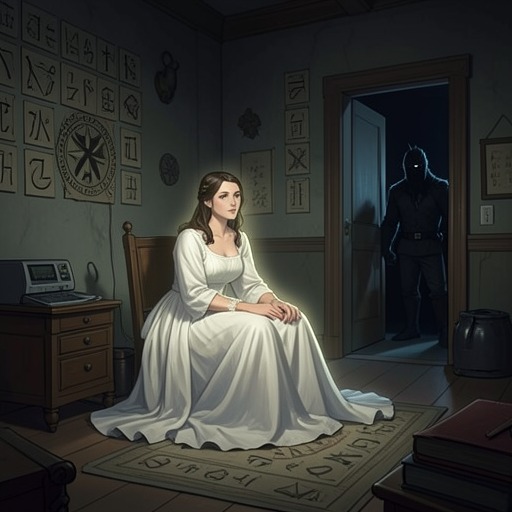
The exchange takes place amid the wedding festivities. Earlier, the priest had placed wreaths of dried greenery and holly berries on Malphas and Lilliana, and lit candles for the ceremony. The gift thus enters a celebration already marked by ritual objects and a formal union, linking Lilliana's new condition to the beginning of their married life without making the immortality itself part of the vows.
What Immortality Does—and Does Not—Mean
The promise is carefully qualified. Malphas corrects the idea that immortality means absolute survival: immortals can die, and certain weapons and circumstances can end them. Lilliana connects this limitation to Malphas's wound in the cave, and he confirms that she has understood. His injury makes the distinction concrete: an immortal body may endure time without being beyond injury or death.
The substances therefore change the terms of Lilliana's life, not the basic possibility of loss. The account supports two separate effects—freedom from aging and protection from ordinary death—while explicitly withholding invulnerability. The gift is substantial, but its limits remain part of what Lilliana is told when she receives it.
Solstice and the Meaning of a New Beginning
The wedding's timing gives the gift a particular symbolic setting. Lilliana chose the Solstice because she regarded it as a mark of the New Year, new beginnings, and rebirth, and wanted that moment to inaugurate their life together. Malphas objected that it was the year's longest night, when portals opened and dangerous things could enter the world. Their different readings place renewal and exposure side by side: the date promises a beginning while also carrying a recognized supernatural risk.
During the celebration, Lilliana explains that the Solstice also gives people a chance to release past grievances and begin anew, with a bonfire planned for later. The gift of immortality arrives within this ritual language of renewal, but it does not erase vulnerability; Malphas's warning about the conditions under which immortals can die sets a boundary around the promise of permanence.
Later Solstice Context
The solstice's supernatural danger is reinforced later, when Caleb searches the darkness and reasons that the veil is thin that night, allowing things to cross over with greater power than usual. This later moment gives context to Malphas's earlier unease about choosing the longest night for the wedding, while keeping the celebration's meaning intact: the same threshold associated with new beginnings is also a time when the boundary between worlds weakens.
A later chapter is dated Christmas 3250, where Caleb says he hates Christmas and anything associated with that time of year before the text turns back to the Solstice. This later reference establishes the date and the continuing association of the season with Caleb's aversion, but the evidence does not state that Lilliana's immortality changes or is tested then.